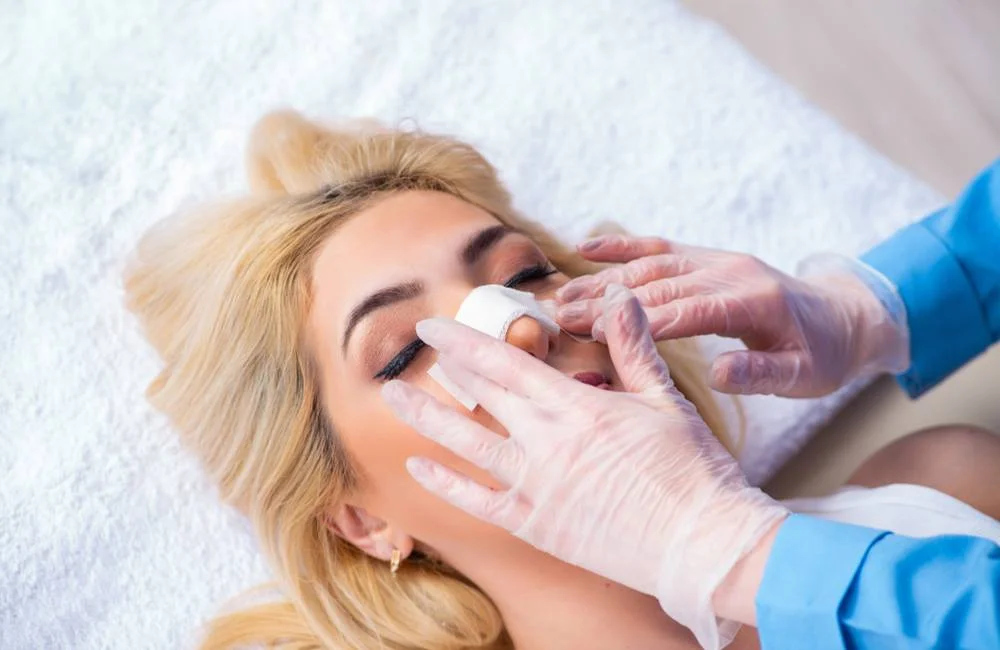
Cosmetic procedures have surged in popularity in recent years, fueled by advancements in medical technology and evolving beauty standards. However, one of the most common questions individuals face is whether cosmetic procedures are covered by insurance. The answer is nuanced and depends heavily on the nature of the procedure, its purpose, and insurance policy specifics. This comprehensive guide explores when cosmetic procedures may be covered, what distinguishes cosmetic from medically necessary surgeries, and how to navigate insurance claims.
Understanding the Difference Between Cosmetic and Reconstructive Procedures
Before delving into insurance coverage, it’s essential to differentiate between cosmetic and reconstructive procedures:
- Cosmetic Procedures are primarily performed to enhance or improve appearance without addressing a medical condition. Examples include facelifts, liposuction, breast augmentation, and Botox injections for aesthetic purposes.
- Reconstructive Procedures aim to restore function or appearance following trauma, illness, or congenital defects. These may include breast reconstruction after mastectomy, cleft palate repair, or scar revision following injury.
Insurance companies generally distinguish coverage based on this classification, covering reconstructive surgeries more readily than purely cosmetic ones.
When Are Cosmetic Procedures Covered by Insurance?
Insurance coverage for cosmetic procedures is limited but does exist under specific circumstances. Typically, coverage is provided when:
1. Medical Necessity Is Proven
If the procedure is deemed medically necessary to improve health, function, or correct a deformity, insurance may cover all or part of the costs. Examples include:
- Breast reduction surgery to relieve chronic back or neck pain.
- Rhinoplasty to correct breathing problems caused by a deviated septum.
- Eyelid surgery (blepharoplasty) to improve vision impaired by drooping eyelids.
- Reconstructive surgery following burns, accidents, or tumor removal.
Insurance companies often require documentation from healthcare providers demonstrating the medical necessity of the procedure.
2. Correcting Congenital Defects or Injuries
Procedures that repair congenital anomalies like cleft lips or palates, or reconstructive surgeries after trauma, are frequently covered by insurance.
3. Psychological or Functional Impairments
In some cases, procedures may be covered if they address significant psychological distress or functional impairments, provided these impacts are well-documented and supported by medical professionals.
When Are Cosmetic Procedures Not Covered?
Most cosmetic procedures purely for aesthetic enhancement are considered elective and not medically necessary. These typically include:
- Facelifts and brow lifts performed solely for wrinkle reduction.
- Breast augmentation for increasing breast size without medical need.
- Liposuction or tummy tucks for body contouring.
- Non-therapeutic Botox or filler injections.
Because these procedures are elective and do not treat illness or injury, insurance companies generally exclude them from coverage.
How to Navigate Insurance for Cosmetic Procedures
If you believe your cosmetic procedure may qualify for insurance coverage, follow these essential steps:
1. Consult with Your Healthcare Provider
Your doctor or surgeon can evaluate whether your procedure meets criteria for medical necessity and assist with necessary documentation.
2. Review Your Insurance Policy Thoroughly
Understand your insurer’s definitions, coverage limits, and exclusions related to cosmetic and reconstructive surgeries.
3. Obtain Pre-Authorization
Most insurance companies require prior authorization before approving coverage for surgeries. Submit all relevant medical records and justifications.
4. Document Symptoms and Impact
Keep detailed records of physical symptoms, functional limitations, or psychological distress related to your condition to strengthen your case.
5. Appeal Denials
If your claim is denied, you can appeal by providing additional evidence and working with your healthcare provider to justify the necessity of the procedure.
Out-of-Pocket Costs and Financing Options
Because many cosmetic procedures fall outside insurance coverage, patients should be prepared for out-of-pocket expenses. These costs can be significant and vary widely depending on the procedure, surgeon’s fees, anesthesia, and facility charges.
To manage costs, some options include:
- Medical financing plans or loans specifically designed for elective procedures.
- Payment plans offered by clinics or hospitals.
- Health savings accounts (HSAs) if funds are available and eligible.
Discuss all financial aspects upfront with your healthcare provider to avoid surprises.
Conclusion: Insurance Coverage Depends on Purpose and Medical Necessity
While most cosmetic procedures performed solely for appearance enhancement are not covered by insurance, those deemed medically necessary or reconstructive in nature may qualify for coverage. Understanding the distinction, reviewing your insurance policy, and working closely with healthcare professionals are vital steps in securing coverage.