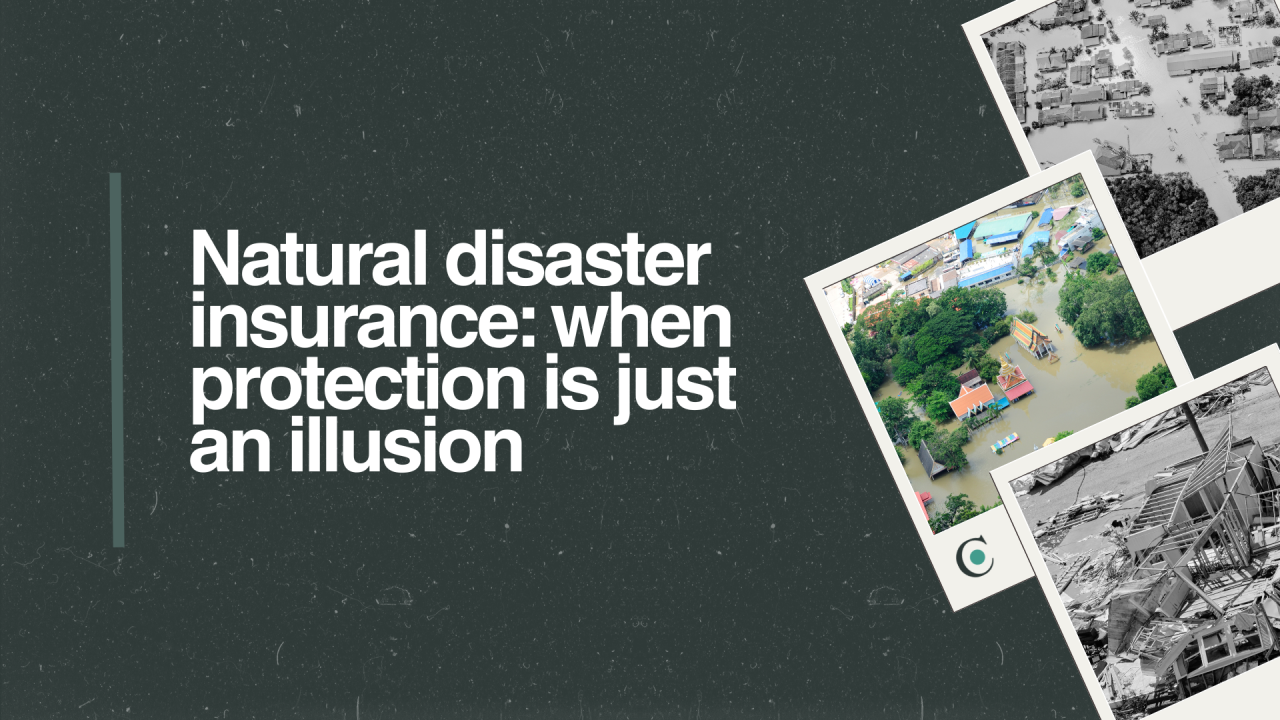
Natural disasters can strike unexpectedly, causing widespread destruction to homes, businesses, and personal property. While the impact can be devastating, having the right insurance coverage for natural disasters can provide crucial financial protection and peace of mind. However, insurance policies vary widely in what they cover when it comes to natural disasters, and many people are surprised to learn what is and isn’t included. This article offers a detailed breakdown of insurance for natural disasters, highlighting common coverage types, exclusions, and essential tips for securing comprehensive protection.
Understanding Natural Disaster Insurance
Natural disaster insurance refers to policies or coverage options that protect against damages caused by extreme natural events such as hurricanes, earthquakes, floods, tornadoes, wildfires, and more. Unlike standard homeowners or commercial insurance policies, which may cover some disasters, many natural disasters require specific endorsements or separate policies.
Common Natural Disasters and Typical Insurance Coverage
1. Hurricanes and Windstorms
- Coverage: Most standard homeowners insurance policies cover damages caused by windstorms and hurricanes, including structural damage and loss of contents.
- Deductibles: Many policies include a separate hurricane deductible, which can be a percentage of the home’s insured value rather than a fixed amount.
- Exclusions: Flood damage caused by hurricane-related storm surge often requires separate flood insurance.
2. Floods
- Separate Policy Required: Flood damage is not typically covered under standard homeowners or renters insurance. Protection comes from a National Flood Insurance Program (NFIP) policy or private flood insurance.
- Coverage Includes: Structural damage, electrical and plumbing systems, appliances, flooring, and certain personal belongings.
- Important Note: Flood insurance usually has a 30-day waiting period before coverage begins after purchase.
3. Earthquakes
- Separate Endorsement or Policy: Standard insurance rarely covers earthquake damage. You need an earthquake insurance endorsement or a standalone earthquake policy.
- Coverage: Structural damage, foundation cracks, broken windows, and sometimes personal property.
- Deductibles: Earthquake policies often have high deductibles, typically 10% to 20% of the insured value.
4. Wildfires
- Typically Covered: Most standard homeowners and commercial policies include wildfire coverage as part of fire insurance.
- Coverage: Structural damage, smoke damage, and loss of personal property.
- Additional Considerations: Some insurers may exclude coverage in high-risk wildfire areas or require mitigation efforts to maintain coverage.
5. Tornadoes and Hail
- Usually Covered: Damage from tornadoes and hail is generally covered under standard homeowners or commercial policies.
- Coverage: Structural damage, broken windows, roof damage, and contents.
- Deductibles: Standard deductibles apply unless specified otherwise.
What’s Often Not Covered?
- Flood Damage: As mentioned, flood damage requires separate insurance.
- Earthquake Damage: Needs separate coverage.
- Landslides or Mudslides: Often excluded unless you have specific endorsements.
- Maintenance-Related Damage: Damage resulting from neglect or poor maintenance is not covered.
- Government Disaster Assistance: Public aid does not replace insurance; it is often limited and meant for basic recovery needs.
Additional Coverage Options to Consider
- Contents Coverage: Protects personal belongings inside your home or business.
- Loss of Use: Covers additional living expenses or business interruption costs if your property is uninhabitable.
- Debris Removal: Helps pay for cleanup after a disaster.
- Building Code Upgrades: Pays for bringing damaged structures up to current building codes during repairs.
How to Ensure Adequate Natural Disaster Coverage
- Review Your Existing Policies: Understand what disasters your current insurance covers and what it excludes.
- Purchase Separate Policies If Needed: Acquire flood, earthquake, or other specialized insurance where your risk is significant.
- Evaluate Deductibles and Limits: Ensure deductibles are affordable and coverage limits meet the replacement cost of your property.
- Document Your Property: Keep an updated inventory of belongings with photos and receipts to simplify claims.
- Mitigate Risk: Take preventive measures such as installing storm shutters, reinforcing roofs, and maintaining defensible space against wildfires to potentially lower premiums.
Conclusion: Know What You’re Covered For Before Disaster Strikes
Natural disasters are unpredictable, but your financial protection shouldn’t be. Insurance for natural disasters varies widely depending on the type of event, location, and insurer. Being informed about what’s included in your policy—and what requires additional coverage—is essential to avoid costly surprises when disaster hits.